Source Portable Multi Functional Manual Juicer for Home, Travel, and Events
Find 30 portable multi functional manual juicer options from verified Chinese suppliers. Compare models like KHL8479 and KHL5878, featuring stainless steel or plastic housings, with prices ranging from $0.40 to $3600 and customizable packing solutions.
Key considerations
Products List


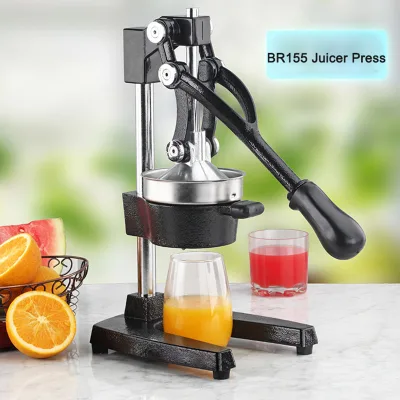


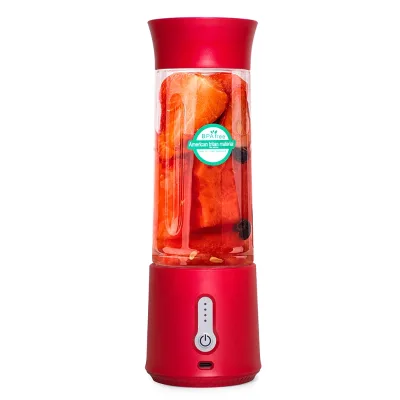


Comprehensive Sourcing Guide
Strategic Sourcing Guide for Portable Multi-Functional Manual Juicers
The global market for manual kitchen appliances has seen a distinct shift toward portable, multi-functional solutions that eliminate reliance on electricity while maximizing extraction efficiency. For procurement professionals and B2B buyers, the category of the portable multi-functional manual juicer represents a niche yet growing segment driven by sustainability trends, camping utility, and space-constrained residential environments. This guide synthesizes available product data and industry standards to provide a disciplined framework for sourcing these units. The focus remains on verifying technical specifications, understanding cost structures, and ensuring supplier reliability without relying on unverified marketing claims.
Technical Specifications and Material Composition
When evaluating portable manual juicers, the primary technical differentiator lies in the material composition and mechanical design. The supplied product data indicates a diverse range of materials, with Stainless Steel and Cast Iron appearing as primary structural components for durability, while Plastic is frequently cited for housing materials to reduce weight. For a buyer seeking a robust unit, the distinction between a stainless steel extruder and a cast iron press is critical. Stainless steel offers superior corrosion resistance, which is essential for acidic fruit juices, whereas cast iron provides significant mass that aids in the mechanical leverage required for high-pressure extraction.
The dimensional specifications provided in the source data vary significantly, reflecting the "portable" nature of the category. Observed dimensions range from compact units measuring 1686 cm to larger, more substantial presses reaching 23.51512.5 cm. A specific model, identified by the reference KHL8479, lists a standard dimension of 1998 cm, suggesting a mid-range footprint suitable for travel. Conversely, other entries indicate dimensions of 221611 cm or 221840 cm, which may represent heavy-duty countertop versions rather than strictly handheld devices. Buyers must verify the "Single package size" against their logistics requirements; one observed listing specifies a 44X30X20 cm package, which impacts shipping costs and storage density.
Mechanically, the processing procedure is consistently described as a "Squeezing Mode" or "Extruder" function. The data highlights a "Manual Household Use" attribute, confirming the absence of electric motors. Some models feature an "Automatic Pulp Ejection" function, a mechanical advantage that simplifies the cleaning process and increases throughput. The blade material is noted as Alloy in certain contexts, which must be evaluated for sharpness retention and resistance to rust. The capacity of these units is generally low, with a specific observation noting a capacity of <10L, indicating they are designed for small-batch processing rather than industrial volume.
Compliance, Certification, and Safety Verification
In the realm of manual kitchen equipment, compliance often centers on food safety standards and material safety rather than electrical certifications. Since these devices are non-electric, buyers do not need to verify UL, CE, or RoHS electrical compliance. However, the materials used must comply with food-grade regulations. The presence of Stainless Steel and Cast Iron generally aligns with food safety expectations, but the specific grade of the alloy or the type of coating on the cast iron must be confirmed.
The supplied data includes a field for "machinery test report," which is currently marked as "Not Available" for several entries. This absence is a significant red flag for B2B procurement. Buyers should explicitly request third-party test reports that verify the material composition does not leach harmful substances into acidic fruit juices. Additionally, the "video outgoing-inspection" attribute is listed as "Provided" for some suppliers. While this is a positive indicator of transparency, it should not replace formal documentation. Buyers must insist on a certificate of analysis (CoA) for the raw materials, specifically confirming that the Alloy blades and Plastic housings are food-grade and free from BPA or other harmful additives.
Regarding standards, the data lists "prod_standard" values that appear to be dimensional rather than regulatory (e.g., 1998cm). This suggests that the term "standard" in this context refers to product sizing rather than ISO or ANSI compliance. Buyers should not assume regulatory compliance based on these figures. Instead, they must verify adherence to local food contact material regulations in the destination market, such as FDA regulations in the United States or EU Framework Regulation (EC) No 1935/2004. The "warranty" of 1 Year mentioned in the data is a commercial term, not a safety certification, but it does indicate a baseline expectation of product longevity.
Cost Drivers and Pricing Dynamics
The pricing landscape for portable manual juicers is highly volatile, with observed ranges spanning from 0.4 to 3600 USD. This extreme variance indicates that the category encompasses everything from simple, mass-produced plastic hand squeezers to heavy-duty, cast-iron commercial presses. The lower end of the spectrum likely corresponds to units with Plastic housing and minimal metal reinforcement, suitable for light, occasional use. The upper end likely reflects units constructed entirely of Stainless Steel or Cast Iron, featuring complex mechanical linkages, larger capacities, and premium packaging.
Several factors drive these costs. First, the material selection is paramount; cast iron and high-grade stainless steel are significantly more expensive than plastics or lower-grade alloys. Second, the customization availability noted in the data allows for branding and color variations, which can increase unit costs. The "color: customized" attribute suggests that buyers can request specific finishes, but this often comes with a minimum order quantity (MOQ) premium. The observed MOQ range of 1-1000 units further complicates cost analysis. A buyer ordering a single unit for prototyping will face a vastly different per-unit cost compared to a bulk order of 1000 units.
Packaging also influences the final landed cost. The data mentions "Carton" as a standard packing method, with one specific entry noting a "Single package size" of 44X30X20 cm. Larger, heavier units require more robust packaging to prevent damage during transit, which adds to the overall expense. Buyers should calculate the cost per unit including shipping, as the weight of cast-iron models (observed at 7kg or 7.000 kg) will incur higher freight charges than lightweight plastic alternatives.
Typical Applications and Usage Scenarios
The "Usage" attribute in the data is listed as "Home," but the "Manual Household Use" and "Portable" attributes suggest a broader application scope. These devices are ideal for scenarios where electricity is unavailable or where noise reduction is a priority. The "Citrus Juicer" type and "Fruit and Lemon Compact Juicer" descriptions point to specific use cases involving high-acid fruits like lemons, limes, and oranges. The "Manual Juice Press" and "Handheld Small" classifications indicate suitability for travel, camping, and outdoor events.
The "Multifunctional" and "Mutifuction" (likely a typo for Multifunction) attributes imply that these units may handle more than just citrus. The "Processing types: fruit" and "Juice Extractor" labels suggest versatility in handling various soft and semi-soft fruits. However, the "Handheld" and "Portable" nature limits the size of the fruit that can be processed. Buyers should verify the maximum fruit diameter the mechanism can accommodate. The "Eco-Friendly" key selling point aligns with applications where sustainability is a core value, such as organic farms, zero-waste kitchens, or eco-tourism facilities.
The "Automatic Pulp Ejection" feature is particularly valuable in commercial or high-volume home settings, as it reduces the time spent cleaning the device between batches. For buyers targeting the hospitality industry, this feature could be a decisive factor in supplier selection.
Supplier Evaluation and Verification Protocols
Selecting a supplier for manual juicers requires a rigorous vetting process, particularly given the variability in product quality and the "Not Available" status of machinery test reports. The "place of origin" is consistently listed as China, with a specific mention of shandonmg, China. While this confirms the manufacturing region, it does not guarantee quality. Buyers should verify the supplier's production capacity and history, specifically looking for experience with Stainless Steel and Cast Iron fabrication.
The "video outgoing-inspection" feature is a valuable tool for remote verification. Buyers should request live video calls or detailed inspection videos that show the assembly process, the quality of the welds on metal components, and the smooth operation of the mechanical lever. The "brand name: brstar" and "model number: BR155" entries suggest that some suppliers operate under their own brands, while others may offer OEM services. Buyers must clarify whether they are purchasing a branded product or a generic unit that can be rebranded.
When evaluating suppliers, the "warranty: 1 Year" should be scrutinized. Does this warranty cover mechanical failure, or only manufacturing defects? Given the mechanical nature of these devices, wear and tear on the lever mechanism is a common issue. Buyers should negotiate terms that cover the replacement of moving parts. Additionally, the "core components: Other" entry is vague; buyers must demand a detailed bill of materials (BOM) to understand exactly what constitutes the "other" components, such as seals, gaskets, or pivot points.
Quality Control and Long-Term Procurement Strategy
Quality control for manual juicers must focus on mechanical integrity and material safety. The "easy to clean" attribute is a critical quality metric; buyers should test the design for crevices where pulp can accumulate. The "Single gross weight" of 7.000 kg for certain models indicates a heavy build, which is generally a positive sign for durability but requires careful handling during shipping.
For long-term procurement, buyers should establish a clear specification sheet that defines the acceptable range for dimensions, materials, and weight. The observed variation in dimensions (from 1686 to 221840) highlights the need for strict tolerance controls. Buyers should also consider the "Selling Units: Single item" attribute, which suggests that the product is often sold individually. This is beneficial for retail but requires careful inventory management for B2B buyers who may need to order in bulk.
The "Key selling points: Eco-Friendly" should be backed by tangible evidence. Buyers should ask for documentation regarding the recyclability of the materials and the environmental impact of the manufacturing process. Finally, the "MOQ" range of 1-1000 offers flexibility. Buyers starting with a small order should be prepared for higher per-unit costs but can use this phase to validate the product before committing to larger volumes. As the order volume increases, buyers should negotiate for better pricing, extended warranties, and more comprehensive quality assurance protocols.
Conclusion
Sourcing a portable multi-functional manual juicer requires a balanced approach that weighs material quality, mechanical design, and supplier reliability. The data indicates a market with significant diversity, ranging from lightweight plastic units to heavy-duty cast-iron presses. Buyers must navigate the wide price range and verify critical attributes such as food-grade materials and mechanical durability. By focusing on technical specifications, demanding proper documentation, and maintaining strict quality control, procurement professionals can secure reliable supply chains for these essential kitchen tools. The absence of standardized electrical certifications simplifies some compliance aspects but places a higher burden on verifying material safety and mechanical performance. Ultimately, success in this category depends on a disciplined verification process that aligns product capabilities with specific operational needs.
FAQs
What materials are used for portable manual juicers?
These units typically use stainless steel or cast iron for structural durability and plastic for housing. Stainless steel offers corrosion resistance for acidic juices, while cast iron provides the mass needed for high-pressure extraction.
Can these juicers handle automatic pulp ejection?
Yes, some models feature an automatic pulp ejection function to simplify cleaning and increase throughput. This mechanical advantage is particularly valuable for commercial settings or high-volume home use scenarios.
How does the capacity of these units compare to industrial ones?
The capacity is generally low, with observations noting a limit of less than 10 liters. This design indicates they are intended for small-batch processing rather than large-scale industrial volume production.
What is the typical weight range for these devices?
Weights vary significantly, with some heavy-duty models reaching 7 kilograms. This substantial weight often correlates with the use of cast iron or stainless steel to ensure mechanical leverage during operation.
Are customization options available for these products?
Customization is available for branding, color, and specific finishes on these units. Buyers should expect a minimum order quantity premium when requesting specific color variations or custom packaging configurations.
Which dimensions are common for portable manual juicers?
Dimensions range from compact sizes like 16 by 8 by 6 cm to larger units up to 22 by 18 by 40 cm. Buyers must verify single package sizes, as some listings indicate dimensions up to 44 by 30 by 20 cm.
What warranty terms are typically offered for these devices?
A one-year warranty is a common commercial term mentioned for these products. This coverage generally applies to manufacturing defects, though buyers should clarify if it includes wear and tear on mechanical moving parts.